ISO (International Organization for Standardization) , a key element of the exposure triangle, controls the camera sensor’s sensitivity to light. Alongside shutter speed and aperture, ISO significantly impacts exposure, noise, and detail in a photograph. ISO values typically range from low numbers like ISO 100 to high values like ISO 6400 or more, with lower values resulting in clearer, less noisy images and higher values increasing light sensitivity at the cost of image quality. Understanding ISO’s effect will allow you to capture well-exposed images in a variety of lighting conditions while balancing clarity, detail, and artistic intent.
Exposure in Different Lighting Conditions: ISO directly affects the brightness of an image by altering the sensor’s light sensitivity. In well-lit environments, a low ISO (e.g., ISO 100 or 200) is preferred because it captures enough light without increasing sensitivity, resulting in a clear, crisp image with accurate color and detail. However, in low-light conditions, such as during dusk or indoors, a higher ISO (e.g., ISO 1600 or 3200) increases sensitivity, allowing the camera to capture a well-exposed image without needing a slower shutter speed or wider aperture. This flexibility enables photographers to shoot in darker environments without introducing motion blur from a longer exposure. The key is to choose the lowest possible ISO that allows for a well-balanced exposure without sacrificing sharpness or stability.
For the following images, I have varied the ISO value from 100 to 6400, while keeping the shutter speed and aperture at a constant. The settings I used are:
1: Focal Length: 28mm
2: Shutter Speed: 1/3 second
3: Aperture: f/9
4: ISO: 100 – 6400
Click thru the images below to see the effect of increasing ISO values.
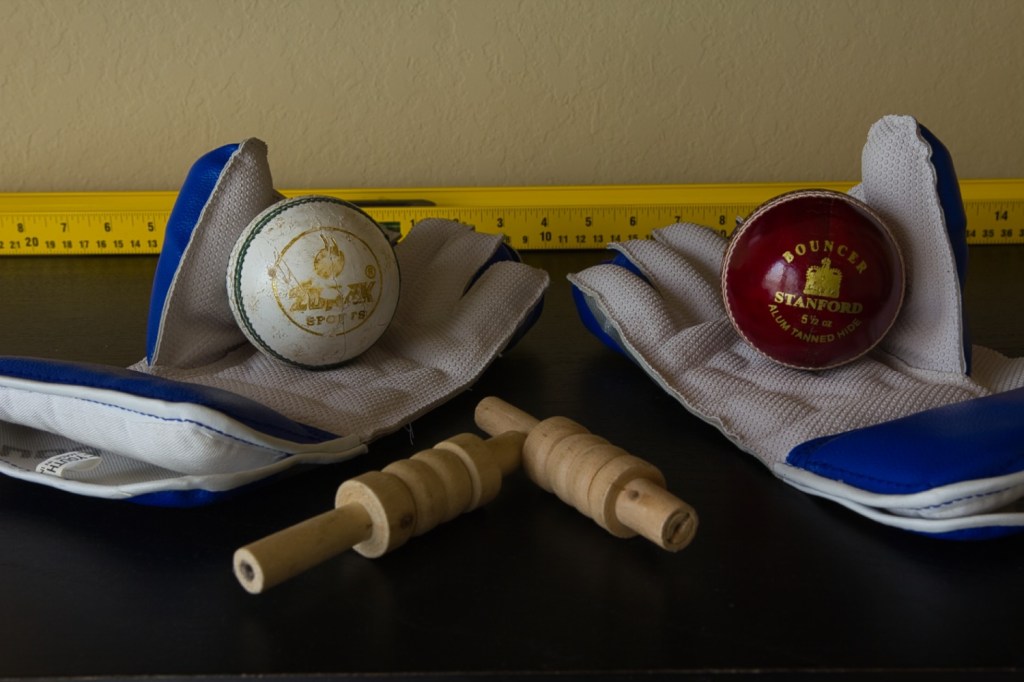
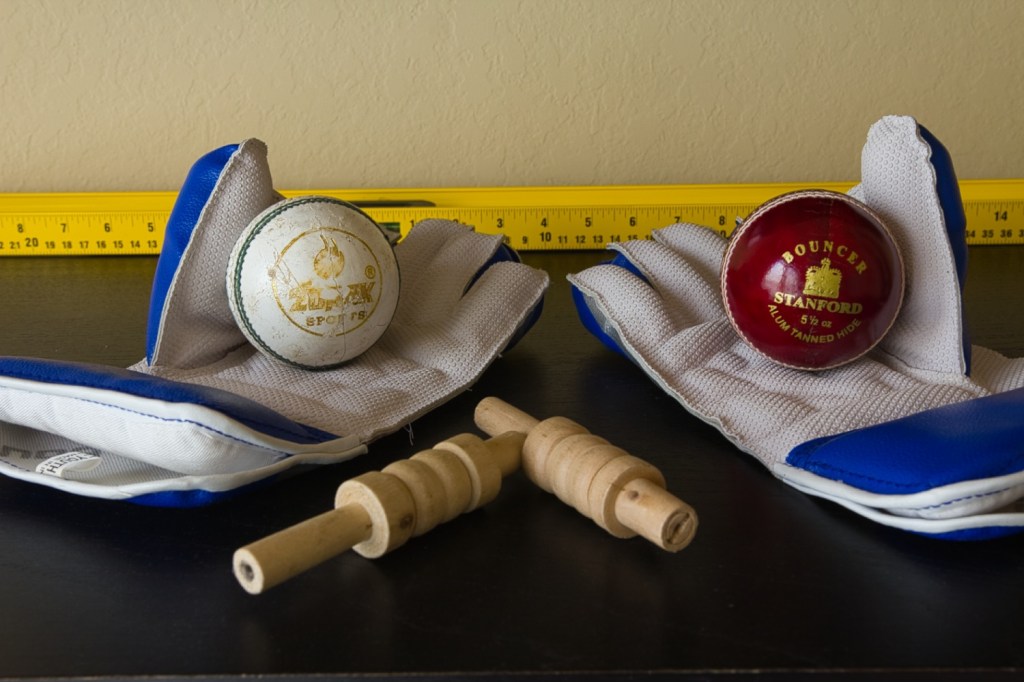


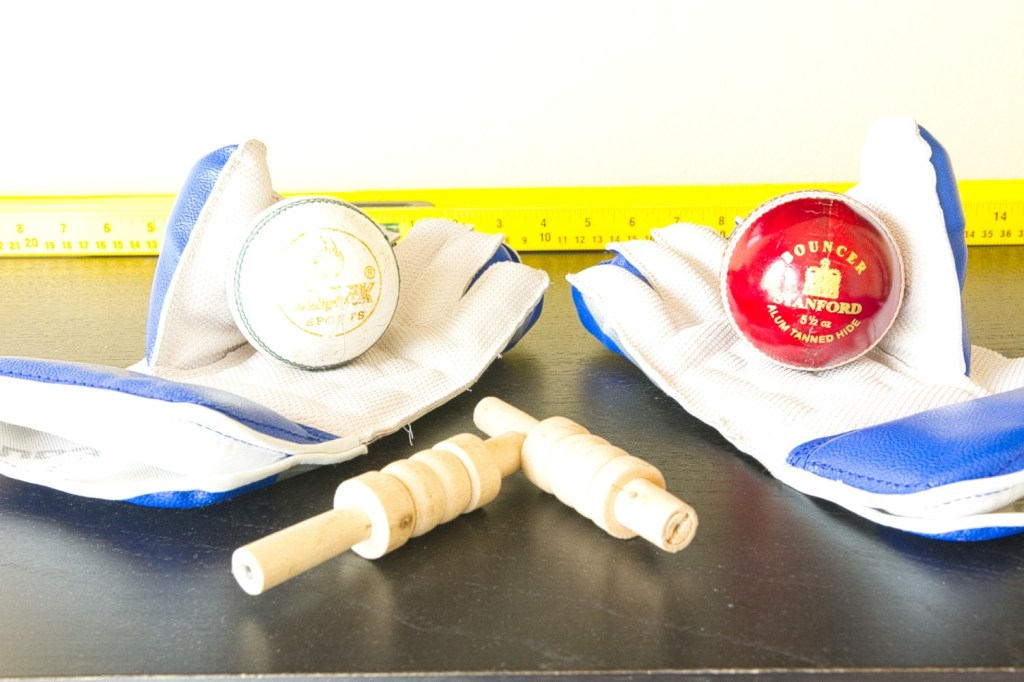
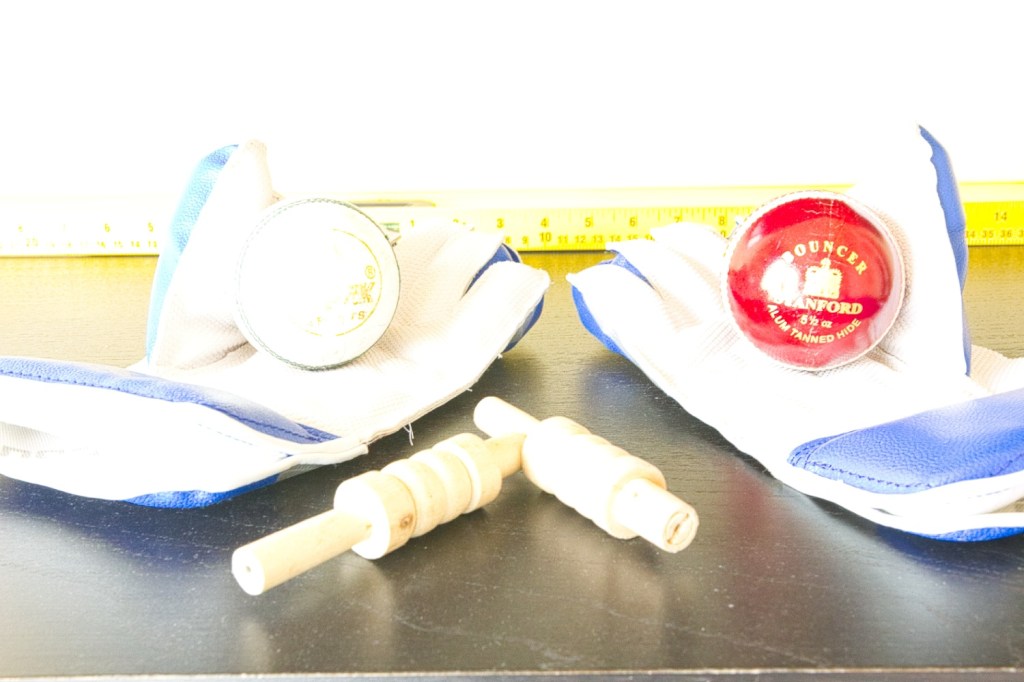
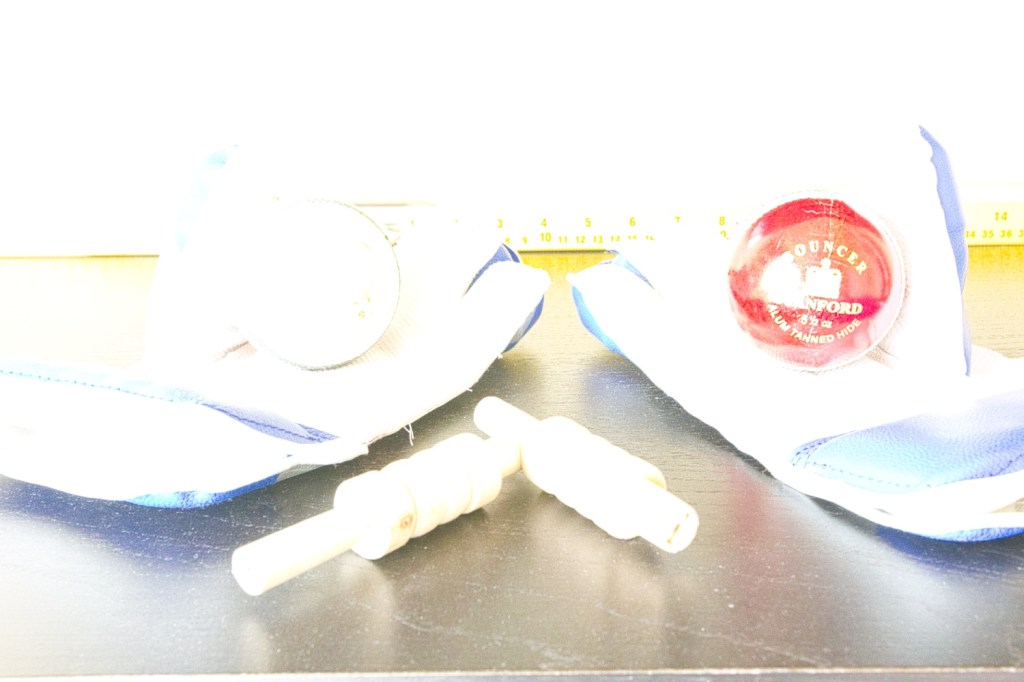
Digital Noise and Color Fidelity: One of the most noticeable effects of increasing ISO is the introduction of digital noise, which appears as grainy, speckled patterns across the image, particularly in shadowed or uniformly colored areas. Noise is more prominent at high ISO values (like ISO 3200 or 6400), and it reduces fine details and image sharpness, giving photos a slightly degraded quality. Although many modern cameras and post processing software handle noise effectively, photographers still often strive to keep ISO low to preserve image quality. In certain styles, such as documentary or street photography, noise can add a grainy, artistic quality reminiscent of film, but for genres like landscapes or portraits, maintaining low noise is usually a priority.
ISO also impacts the level of detail and color accuracy in a photograph. At low ISO values, images capture fine details and maintain vibrant, accurate colors, which is ideal for scenes with intricate textures or rich hues, like portraits or nature photography. High ISO settings, however, can cause colors to appear less vivid and lose some natural contrast, with fine details becoming obscured by noise. In situations that require high ISO, such as nighttime or indoor sports photography, advanced noise reduction techniques in editing software can help retain some detail and color fidelity, though it may not entirely match the quality of a low-ISO image.
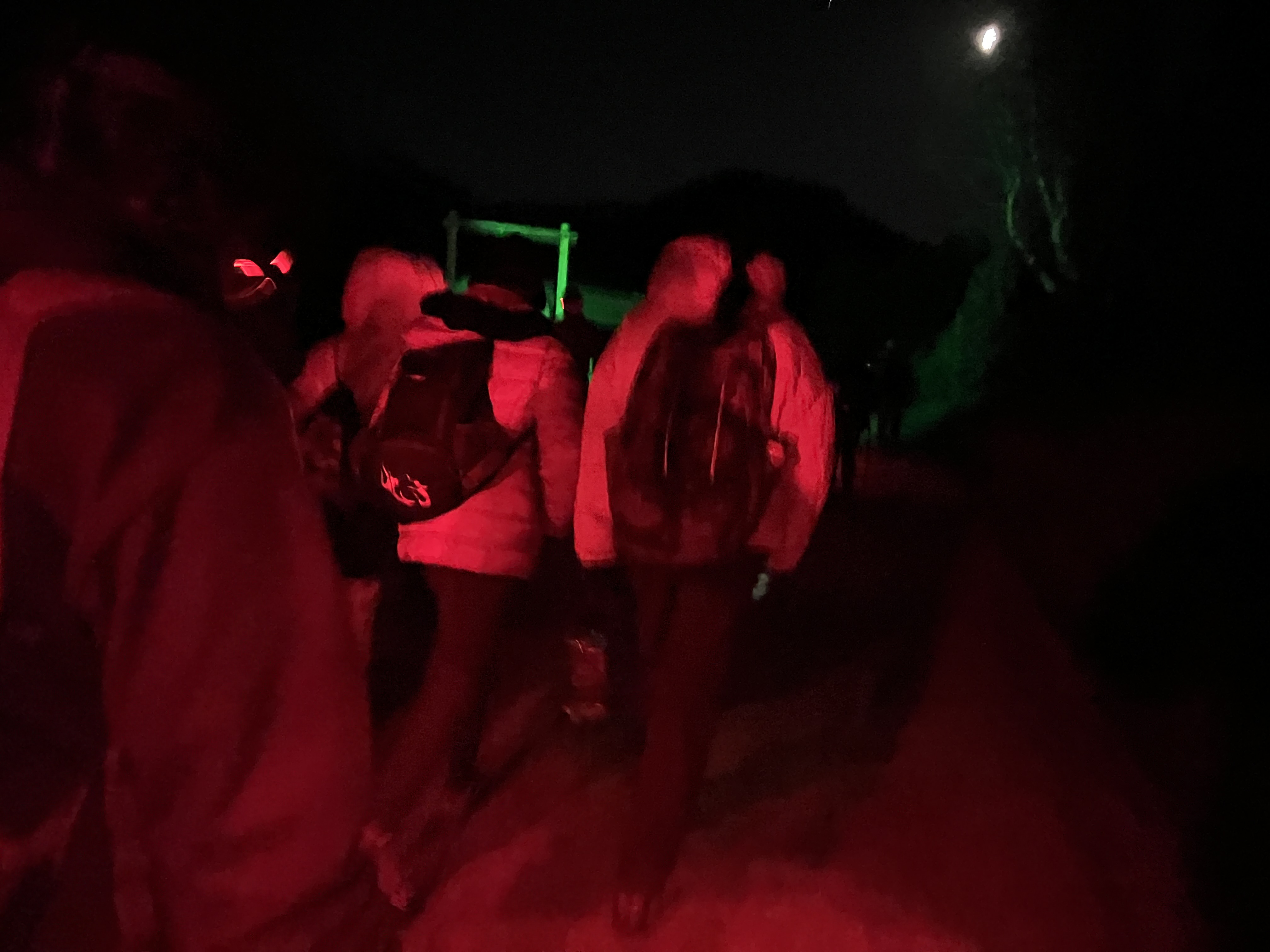
Here is an image taken at an ISO of 8000. Notice how the image is patchy and blurry. Do you like it?
In summary, ISO provides a crucial way for photographers to adapt to different lighting conditions while balancing the need for clarity, detail, and image quality.
In the next section we will bring together the concepts you have just learnt, Exposure, Shutter Speed and ISO, and see how we can capture a wide range of moments in various styles.
 Chabak's Blog
Leave a comment